

This reflection on Independent Sector’s 2026 National Summit explores nonprofit financial sustainability, workforce well-being, and independence. Its central message: stronger funding matters, but organizations also need leadership, infrastructure, and support to make difficult decisions. The post offers nonprofit and philanthropic leaders a practical way to think about what to protect and what to strengthen.
I left Independent Sector’s 2026 National Summit with urgency, concern, and hope. The Summit brought us together around four priorities: a thriving workforce, financial robustness, trust and governance, and advocacy. Each speaks to what we’re facing: growing community needs, financial uncertainty, and threats to nonprofit independence (Independent Sector, 2026).
Let’s start with what we have going for us. Nonprofits remain among America’s most trusted institutions, with 56% of Americans expressing high trust (Independent Sector & Edelman, 2026). Yet many people don’t recognize how often nonprofits touch their lives. The sector has a long history of neighbors organizing, meeting needs, and speaking up when something isn’t right. Independence matters because communities need the freedom to define their priorities, challenge decisions, and find solutions that government or philanthropy may never imagine. We all have a role in protecting that independence and the public trust nonprofits have earned.
Organizations are making painful choices: drawing on reserves, delaying investments, freezing hiring, and deciding which services they can sustain. The people doing this work are struggling, too. In 2023, 22% of nonprofit workers lived in households unable to afford basic needs (Independent Sector & United For ALICE, 2025). At the Summit, someone asked us to imagine a future where people can retire from nonprofit careers. Why does that sound like such an ambitious dream? A sector committed to community well-being must take its workforce’s economic security and dignity seriously.
That brings us to philanthropy. Fair compensation, health benefits, leadership, financial planning, and technology are part of doing good work. Yet infrastructure doesn’t always generate the excitement of a new initiative, and the full cost of supporting it can give funders pause. I understand the difficult choices funders face: resources are finite. And good leadership is infrastructure, as are the relationships and systems that help organizations navigate change.
There are encouraging signs. More funders are embracing flexible, multiyear support (GEO, 2025). We need to build on that momentum and broaden how we think about financial strength. Social enterprises, fee-for-service activities, investment income, endowments, and new philanthropic partnerships offer possibilities for sustaining missions. These options won’t fit every organization, but they deserve exploration. Financial durability may look different across organizations, and finding the right mix of resources requires room to experiment, adapt, and build the capacity to make new approaches work. We also need to think beyond individual organizations and consider how shared investments and collective action can strengthen the sector.
I saw that spirit of problem solving in the Summit’s inaugural Financial Strength Strategy Lab. I joined eight powerful women leaders with financial expertise as a co-facilitator to imagine a financially robust sector by 2050. Together with participants, we explored changing giving patterns, emerging funding sources, the implications of AI, data infrastructure needs, and organizational capacity. We moved through Discover, Dream, Design, and Deliver — identifying what needs to change, who needs to act, and what can begin within a year. I’m grateful to Independent Sector for bringing us together to imagine that future and begin making it real.
I shared an insight from Community Science’s organizational effectiveness evaluations: having resources and knowing what needs to change don’t automatically give organizations the capacity to act. Financial distress signals a problem, but understanding what’s underneath helps determine whether the next step is funding, strategy, leadership, or support to make difficult decisions. Those head-and-heart decisions are hard to make alone, and we don’t have to make them that way.
We have hard choices ahead, and plenty worth protecting. Let’s keep asking what’s possible, thinking outside the box, and being willing to fail forward as we try new approaches. Let’s invest in our people and in the infrastructure and relationships that help us build stronger organizations and communities together.
References:
Independent Sector. (2026). National Summit 2026.
Independent Sector & Edelman Data & Intelligence. (2026). Trust in nonprofits and philanthropy.
Independent Sector & United For ALICE. (2025). Financial insecurity in the nonprofit workforce.
Grantmakers for Effective Organizations. (2025). 2025 National Study of Philanthropic Practice.
About the Author
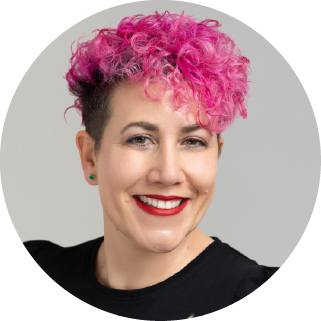
Amber Trout, PhD, is Managing Director and Head of Practice Management at Community Science. She helps foundations, nonprofits, and public sector organizations strengthen strategy, learning, and organizational effectiveness by navigating complexity, interpreting system change, and adapting in real time.
Questions this post answers:
- Why does nonprofit independence matter to communities?
- How are financial pressures affecting nonprofit organizations and workers?
- Why should philanthropy invest in organizational infrastructure?
- What funding and revenue approaches might help nonprofits sustain their missions?
- Why isn't funding alone enough to build organizational capacity?
- What can nonprofit and philanthropic leaders do together to strengthen the sector?